
Blog
Protein: The Nutrient Your Body Loves at Every Age
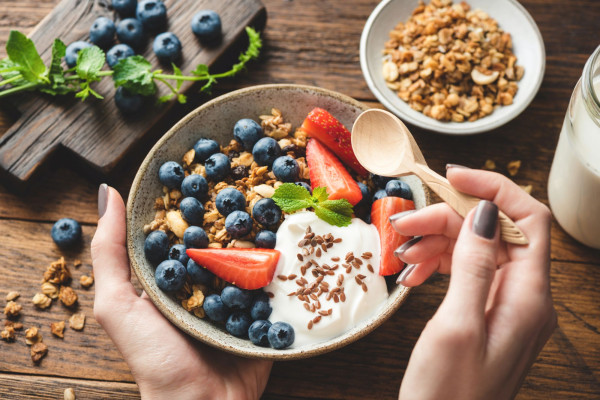
If protein had a fan club, your muscles, bones, immune system, and energy levels would all be members. Protein is one of the most important nutrients your body needs, yet many people aren't sure how much they need or why it matters so much. Whether you're a growing child, a busy parent, an active adult, or someone focused on staying strong and independent as you age, protein plays an important role in helping your body function at its best.
According to Anna Kreiser, RDN, a registered dietitian nutritionist at Hammond-Henry Hospital, making protein a regular part of your meals and snacks can help support overall health and wellness throughout every stage of life.
What Does Protein Actually Do?
Think of protein as one of your body's building blocks. Protein helps:
- Build and repair muscles
- Support strength and physical function
- Maintain healthy bones
- Support immune health
- Promote healing after illness or injury
- Help you feel fuller longer after meals
Your body is constantly repairing and rebuilding tissues. Protein provides the materials needed to make that happen. In simple terms, if your body were a house, protein would be part of the lumber, tools, and construction crew.
Why Protein Matters More as We Age
Many people associate protein with athletes or bodybuilders, but protein becomes especially important as we get older. As adults age, they naturally lose muscle mass over time. This process can affect strength, balance, mobility, and independence. Getting enough protein throughout the day can help support muscle maintenance and preserve strength.
Anna Kreiser often encourages patients to spread protein intake throughout the day; choosing balance and variety at every meal. A breakfast that includes protein, a balanced lunch, and a protein-rich dinner can help your body use protein more effectively than consuming most of it in one meal.
Here are some commonly asked questions about protein:
Q: Can Protein Help You Feel Full?
A: Yes. One reason protein is so popular in healthy eating plans is that it can help you feel satisfied longer. Protein can help slow digestion and provide longer-lasting satisfaction. Pairing protein with fiber-rich foods such as fruits, vegetables, or whole grains can make meals and snacks even more filling. This can be helpful for people trying to manage their weight, avoid afternoon energy crashes, or reduce unnecessary snacking.
Q: How Much Protein Do You Need?
A: The answer depends on your age, activity level, health conditions, and personal goals. Some people may need more protein than others, especially older adults, athletes, or individuals recovering from illness or surgery.
That's why individualized nutrition guidance can be so valuable. Rather than guessing, a registered dietitian can help determine how much protein is right for you and identify foods that fit your lifestyle, preferences, and budget.
Q: What Are Good Sources of Protein?
A: The good news is that protein comes in many delicious forms:
- Chicken and turkey
- Fish and seafood
- Eggs
- Milk
- Lean beef and pork
- Beans and lentils
- Tofu and tempeh
- Nuts and nut butters
- Seeds
- Quinoa
- Greek yogurt
- Cottage cheese
- String cheese
- Roasted chickpeas
- Edamame
- Peanut butter with apple slices
- Homemade protein balls
Protein balls have become a popular option because they're easy to prepare ahead of time and grab on busy days. Our recipe combines oats, peanut butter, chocolate chips, and protein powder into a convenient snack that supports energy and fullness by offering both protein and fiber together in one easy to grab (and tasty) bite.
Anna Kreiser helps patients to brainstorm ways to include more whole foods to meet protein and fiber needs together. Examples of this include an apple and peanut butter, Greek yogurt and berries, a sandwich made with lean meats and whole grain bread and so much more.
Common Protein Myths
"Protein is only for athletes." Not true. While athletes often focus on protein, everyone needs it. Protein supports normal body functions regardless of age or fitness level.
"I eat meat, so I'm definitely getting enough." Maybe—but not always. Some people consume protein primarily at dinner while eating very little at breakfast or lunch. Others may not be getting enough overall. A dietitian can help evaluate your intake.
"Protein has to come from meat." Not at all. Many plant-based foods provide protein and can be part of a healthy eating pattern.
Small Changes Can Make a Big Difference
Adding protein to your diet doesn't have to mean overhauling your eating habits.
Simple changes can help:
- Add Greek yogurt to breakfast.
- Include beans in soups and salads.
- Choose a protein-rich snack in the afternoon.
- Add nuts or seeds to oatmeal.
- Include a protein source at every meal.
These small adjustments can help support strength, energy, and overall health over time. Anna Kreiser says “Small changes really can have such a positive impact on your health, especially when you keep them over time. Good nutrition doesn’t have to mean giving up all your favorite foods but making little adjustments to work towards your individual health goals.”
Ready to Learn What Works for You?
Nutrition is not one-size-fits-all. Whether you're looking to maintain strength as you age, support a growing child, improve your eating habits, manage a health condition, or simply feel your best, the nutrition experts at Hammond-Henry Hospital can help. Nutrition Services manager, Bobby Cain, states "Our Nutrition Services team is committed to supporting the health and well-being of our community through personalized, evidence-based care. From inpatient treatment to outpatient counseling and long-term care, we work closely with patients and families to promote better health through nutrition at every stage of life."
Visit Hammond-Henry Nutrition Services or call 309-944-9118 to schedule an introductory appointment with a registered dietitian and receive personalized guidance tailored to your goals.